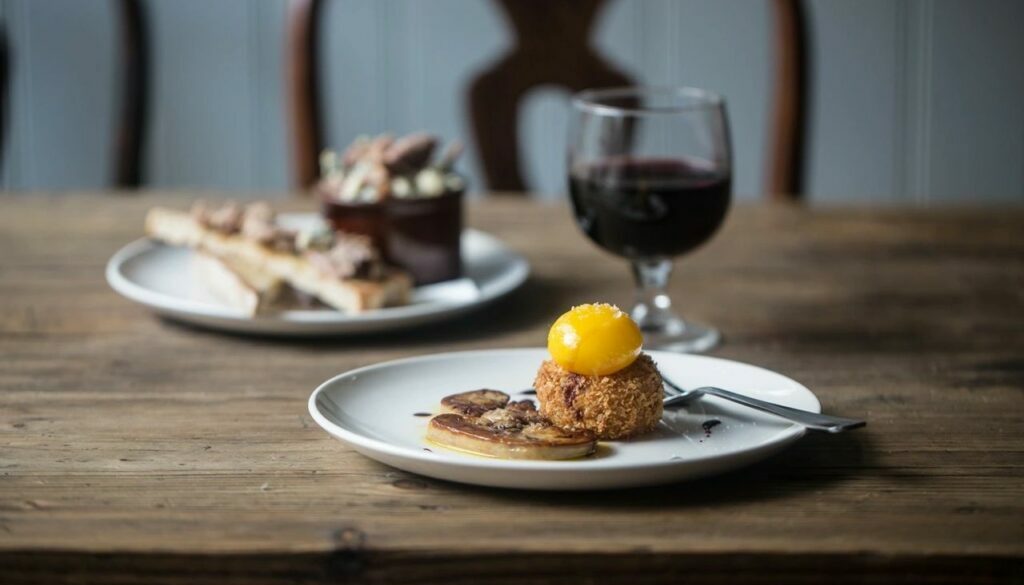
Restaurant Menu Creation
Creating a restaurant menu is more than just listing dishes on a page. It’s a blend of art, psychology, and strategy—a chance to showcase your restaurant’s identity, connect with your customers, and maximise profits. Whether you’re opening a new venue or revamping your existing menu, understanding the process and key considerations is essential. Here, we’ll explore the ins and outs of menu creation and offer practical tips to guide you.
1. Define Your Concept and Audience
Before you start, you need a clear vision of your restaurant’s identity. Are you a cosy neighbourhood pub, a fine dining destination, or a trendy vegan cafe? Your menu should reflect your concept and appeal to your target audience. For example:
- A fine dining menu might feature premium ingredients with descriptive dish names that evoke sophistication.
- A casual diner’s menu might prioritise comfort foods and a straightforward presentation.
Take the time to research your local area and potential customers. What are their preferences, dietary habits, and spending power? This knowledge is the foundation of a successful menu.
2. Create a Balanced Selection
While it’s tempting to offer something for everyone, a focused menu tends to work better. A concise selection helps streamline your kitchen operations, reduces food waste, and ensures consistent quality. Aim for a balance of:
- Starters, mains, and desserts: Ensure you cater to the flow of a full meal.
- Meat, fish, vegetarian, and vegan options: Modern diners expect diversity.
- Price points: Offer a range of prices to suit different budgets without diluting your brand.
Consider dietary trends and allergies. Gluten-free, dairy-free, and plant-based options are increasingly popular. Having these clearly marked on your menu can attract a broader audience.
3. Design Around Your Kitchen’s Strengths
Your menu should reflect what your kitchen can deliver exceptionally well. Take stock of your team’s skills and your equipment’s capabilities. For example, if you don’t have a pizza oven, it’s probably best to skip pizza altogether.
A well-designed menu leverages:
- Signature dishes: Highlight what you do best.
- Seasonal ingredients: Showcase fresh, high-quality produce.
- Local suppliers: If possible, incorporate local ingredients for added appeal and sustainability.
4. Pricing for Profitability
Pricing isn’t just about covering costs; it’s about creating perceived value. Customers should feel they’re getting good quality for their money, whether they’re spending £9 or £90.
Key pricing tips:
- Costing: Calculate the food cost for each dish. A common target is 25-35% of the selling price.
- Competitor analysis: Look at similar venues in your area to gauge pricing norms.
- Upselling opportunities: Include add-ons or upgrades, such as premium sides or drink pairings.
Don’t forget VAT and potential wastage when setting prices.
5. Write Tempting Descriptions
The way you describe your dishes has a big impact on how customers perceive and choose them. Use descriptive language to highlight key ingredients, techniques, or origins. For instance:
- Instead of “Grilled Salmon,” write “Chargrilled Scottish Salmon with Lemon Butter Sauce.”
- Highlight unique selling points like “locally sourced,” “handmade,” or “family recipe.”
Avoid overwhelming your menu with too much text. Strike a balance between informative and concise.
6. Use Menu Psychology
There’s a science to how people read menus, and you can use it to your advantage. Here are a few psychological tricks:
- Prime real estate: The upper-right corner of your menu is prime territory. Place your most profitable or signature dishes here.
- Highlighting: Use boxes, bold text, or icons to draw attention to specific items.
- Anchoring: Start with a high-priced item to make other dishes seem more affordable in comparison.
- Odd pricing: Prices ending in “.95” or “.99” often feel more affordable, while whole numbers can suggest quality and simplicity.
7. Keep It Easy to Read
A cluttered or confusing menu can turn customers off. Keep your layout clean and organised:
- Use sections: Group similar items (e.g., starters, mains, sides) with clear headings.
- Limit font choices: Stick to one or two fonts for consistency.
- Avoid small print: Ensure the text size is legible, even in dim lighting.
If you’re unsure, create a mock-up and test it with friends or staff.
8. Incorporate Sustainability
Sustainability is no longer a bonus; it’s an expectation for many diners. Consider:
- Seasonal and local ingredients: Reduce your carbon footprint.
- Minimal waste: Design dishes that use ingredients across multiple menu items.
- Transparency: Highlight sustainable practices on the menu, such as ethical sourcing or carbon-neutral initiatives.
Customers increasingly appreciate and support businesses that align with their values.
9. Test and Iterate
Once you’ve drafted your menu, test it. Share it with your team, and if possible, a small group of customers. Gather feedback on:
- Clarity: Are the descriptions clear and appealing?
- Flow: Does the menu guide the diner’s experience effectively?
- Pricing: Are customers willing to pay the listed prices?
Don’t be afraid to tweak the menu based on feedback. Even after launching, regularly review performance data to identify bestsellers and underperformers.
10. Seasonal Updates
A static menu can become stale for regular customers. Introducing seasonal updates keeps things fresh and exciting. Aim to:
- Rotate specials: Use specials to trial new dishes without committing to permanent menu changes.
- Celebrate occasions: Create themed menus for holidays or local events.
This approach keeps your menu dynamic and showcases your creativity.
11. Train Your Team
A great menu means nothing if your staff can’t sell it. Invest time in:
- Training: Ensure your team knows the menu inside out, including ingredients, preparation methods, and allergens.
- Tasting: Let them taste dishes so they can recommend them genuinely.
- Upselling techniques: Teach staff to suggest pairings or upgrades without being pushy.
Your team’s enthusiasm and knowledge can make all the difference.
12. Menu Design Trends
While your menu should suit your restaurant’s concept, keeping an eye on trends can help you stay relevant. Some current trends include:
- Minimalist designs: Clean, modern layouts with plenty of white space.
- Interactive elements: QR codes leading to digital menus or additional information.
- Local storytelling: Sharing the story behind ingredients or dishes on the menu.
Adapt trends that complement your brand and add value to the customer experience.
13. Invest in Professional Design
Your menu’s design is as important as its content. If budget allows, hire a professional graphic designer to bring your menu to life. A well-designed menu:
- Enhances your brand image.
- Communicates professionalism.
- Improves the customer experience.
If hiring a designer isn’t feasible, there are plenty of online tools and templates available.
Final Thoughts
Creating a menu is a complex but rewarding process. It’s your restaurant’s most powerful marketing tool and a key driver of your customers’ experience. By aligning your menu with your concept, focusing on quality and sustainability, and leveraging design and psychology, you can craft a menu that delights your guests and supports your business goals.
Remember, a great menu isn’t set in stone. Stay flexible, listen to feedback, and be willing to evolve. After all, dining out is an ever-changing experience, and your menu should reflect that dynamism.